

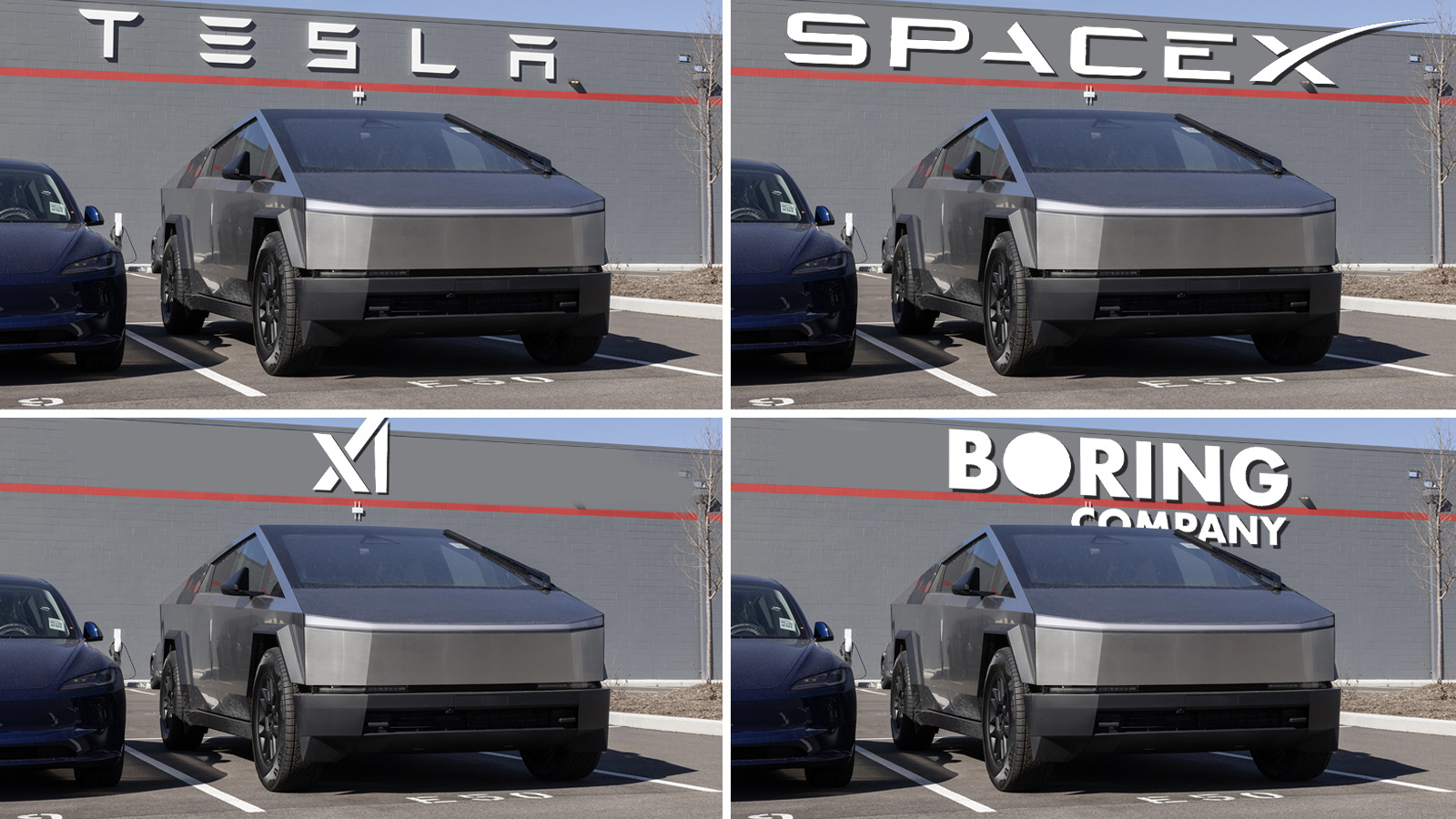
The Tesla Cybertruck was supposed to be a big seller when it went on sale a few years back, according to CEO Elon Musk. The space-age-designed, stainless-steel-bodied electric pickup garnered an incredible 200,000 refundable pre-orders within the first five days of its unveiling in late 2019, with that number reportedly growing to over 1.2 million pre-orders by mid-2021.
After repeated delays, the Cybertruck finally went into production in late 2023, and sales haven’t exactly kept up with expectations. It was the fifth-best-selling EV in America in 2024, garnering nearly 39,000 sales, according to Cox Automotive estimates. In 2025, that number plunged by nearly 50% in 2025 to just over 20,000 units.


Those figures fall far short of Musk’s predictions. In late 2023, right before the Cybertruck went on sale, he told investors the Cybertruck would be selling at more than ten times what it actually did in 2025:
“If you say, ‘well, where will things end up?’ I think we’ll end up with roughly a quarter-million Cybertrucks a year. And I don’t think we’re going to reach that output rate next year. I think we’ll probably reach it sometime in 2025. That’s my best guess.”
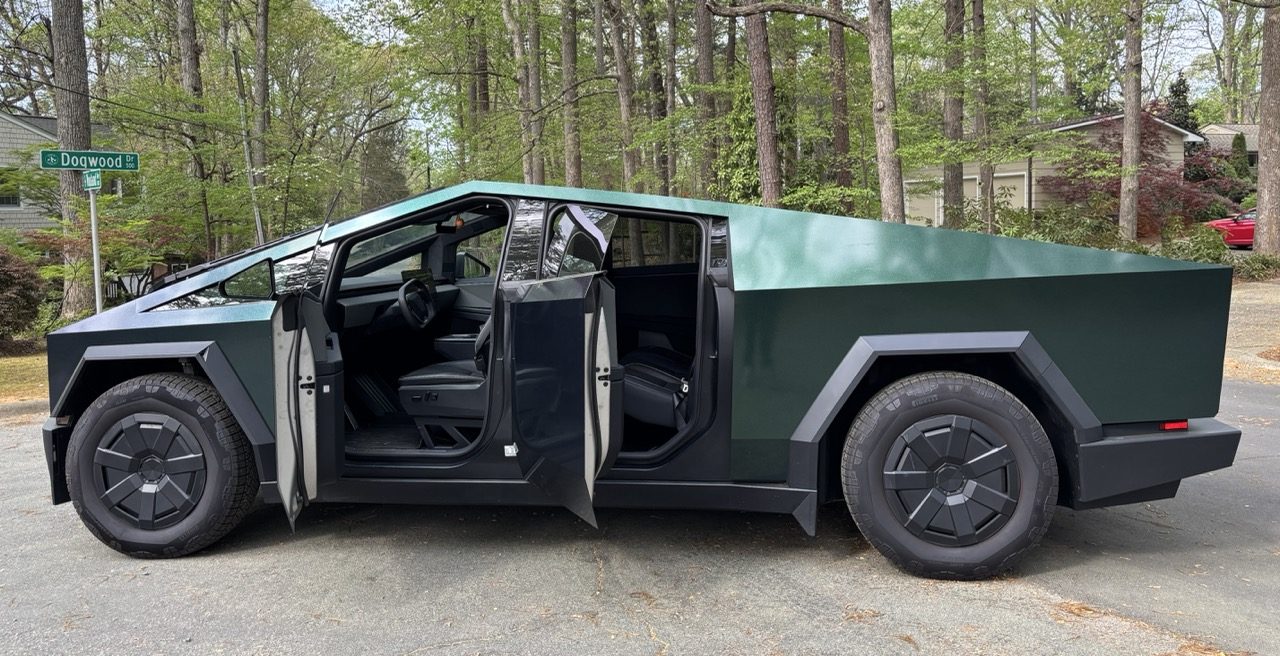
Apparently, things are even worse than they seem for Cybertruck sales. According to sales data from S&P Global Mobility seen by Bloomberg, it seems nearly 20% of the Cybertrucks sold through the last three months of 2025 were simply sold to other companies also controlled by Musk. From the report:
SpaceX, the Musk-led rocket and satellite maker, accounted for 1,279 — or more than 18% — of the 7,071 Cybertrucks registered in the US during the fourth quarter, according to registration data that S&P Global Mobility provided to Bloomberg News. The billionaire’s other ventures acquired another 60 vehicles during those months.
That means almost one in every five Cybertrucks registered during the period were delivered from one part of Musk’s sprawling business empire to another. And the purchases, likely exceeding $100 million in value, have continued into this year.
In addition to SpaceX, Bloomberg says Cybertrucks were also sold to xAi, the Boring Company, and Neuralink, all also Musk-led companies. While it’s not clear whether these companies needed these trucks, I can sort of see why SpaceX and the Boring Co. would have some uses for them. But xAi and Neuralink? I can’t imagine those examples are doing anything more than just sitting in parking lots or being driven back and forth to work by employees.
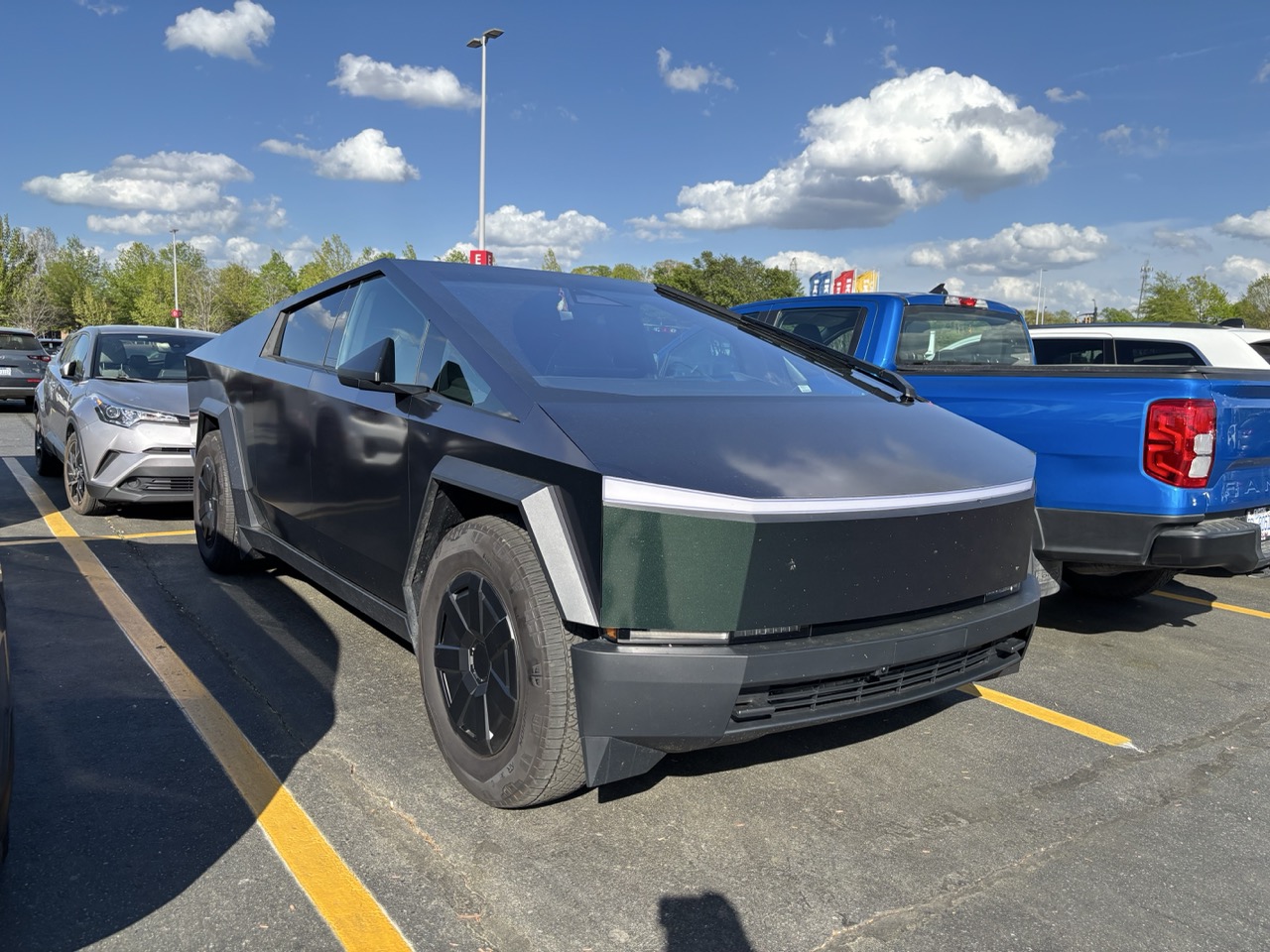
There are a few reasons why Cybertruck sales haven’t reached the heights Tesla expected. For one, it came out two years later than it was originally supposed to, at a price more than double than originally promised (the first Cybertrucks were nearly $100,000, versus a promised sub-$40,000 base price). Pair that with the truck’s polarizing design and Musk’s divisive involvement in federal government affairs last year, and it’s easy to see why some buyers might’ve been turned off.
There’s also the greater flattening of EV sales as a whole in America, in part due to the $7,500 federal tax credit ending back in September. It’s not like the Cybertruck is the only electric truck that’s suffering. Sales of what was formerly the most popular battery-powered pickup, the F-150 Lightning, fell by 60 percent in Q4 before Ford took it out of production permanently in December. Meanwhile, the Chevy Silverado EV, its closest competitor, managed to scrape up just 2,756 sales through the entirety of 2025. Sales of the Rivian R1T fell by 33% in 2025 to just 7,416 units, according to Cox Automotive.
Musk essentially just moving his products from one of his companies to another to possibly inflate sales numbers is objectively pretty funny, and comes at a time when Tesla isn’t doing as well as it used to. The company’s sales peaked in 2023 at 1.81 million deliveries, then fell to 1.78 million in 2024 and 1.63 million in 2025. It’s been overtaken by Chinese carmaker BYD as the world’s largest carmaker, and while sales were up slightly in the first quarter of 2026, they still fell short of analyst expectations.

How does Tesla plan to turn things around? If you believe Musk, it’ll be humanoid robots and autonomous robotaxis that will push the company’s value to the next level. But, as Bloomberg points out, those things are still years away from becoming profitable arms of the business. So in the near term, Tesla still needs to sell cars. In addition to swapping Cybertrucks between Musk-led companies, the CEO also proposed targeting more fleet sales:
“There’s obviously a market there for cargo delivery,” he said in January during a Tesla earnings call. “There’s a lot of cargo that needs to move locally within a city, and an autonomous Cybertruck could be very useful for that.”
To boost sales in other parts of the lineup, Tesla revealed cheaper versions of the aging Model 3 and Model Y back in October. And according to another report released last week, the company is looking into building an entry-level, $25,000 EV that Musk himself once called “silly” and “pointless,” reportedly due to the lagging adoption of autonomous vehicles in some worldwide markets.
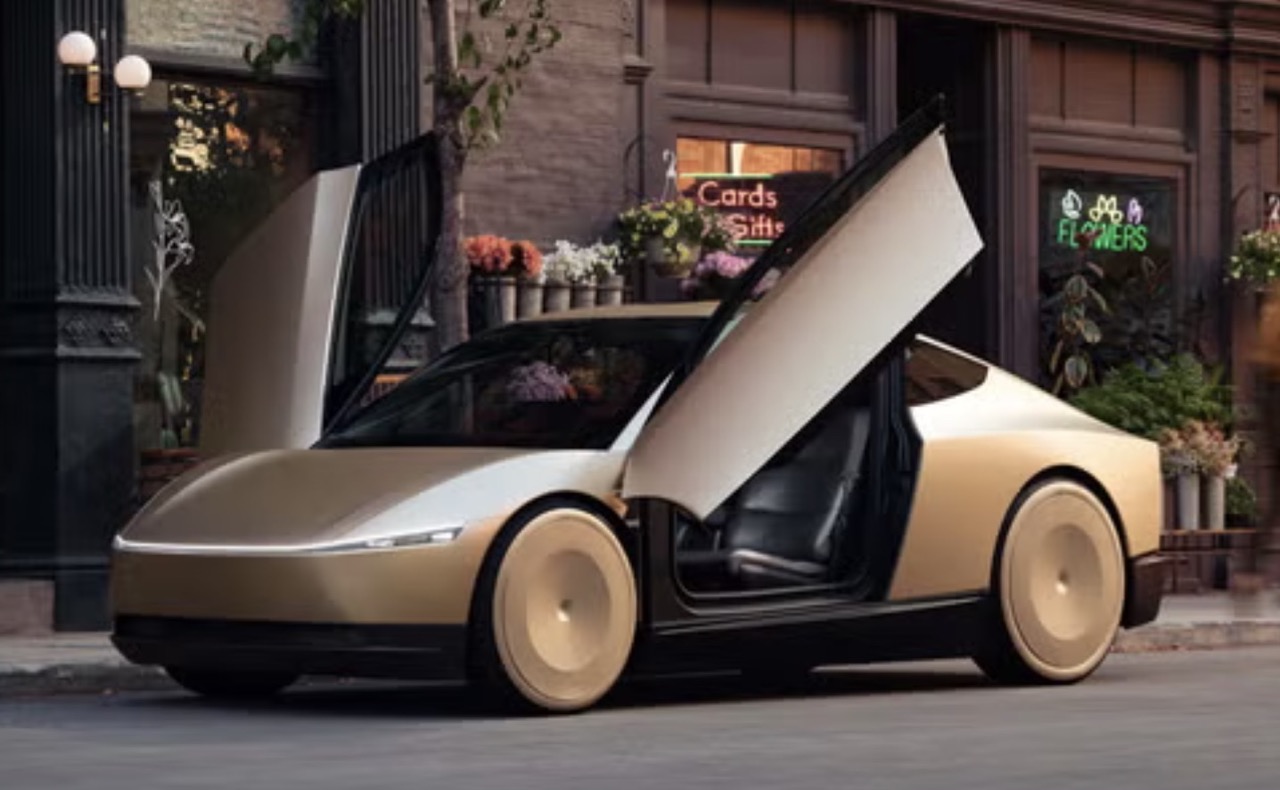
Seeing as how affordability is at the front of everyone’s minds these days, introducing a back-to-basics, entry-level car that people can actually afford seems like a smart move. But Tesla is known for reversing plans and years-long delays (that Roadster is coming any day now), so it’s tough to say right now whether the company can jumpstart sales in a meaningful way.
Top graphic image: DepositPhotos.com





Only 2,756 Silverado EVs sold in 2025? They must have all ended up in California, because I see them everywhere. Even a lot of municipal agencies have them. I suppose there’s also the identical 2024 model; some of them might be 2024s.
It was just a few weeks ago that SpaceX absorbed xAI (how does he come up with all these creative names??). So they get even more Cybertrucks!
What can we do to further reduce wank panzer sales? One has taken up residence in my neighborhood and constantly reminds me how stupid it is.
This is basically the same thing Musk is doing with Starlink and SpaceX, except on a smaller scale. More than 75% of SpaceX missions have been to launch Starlink satellites since 2020.
Starlink is owned by SpaceX. Starlink subscriptions are the primary funding source for SpaceX and their Mars mission.
^this. starlink pays the bills