

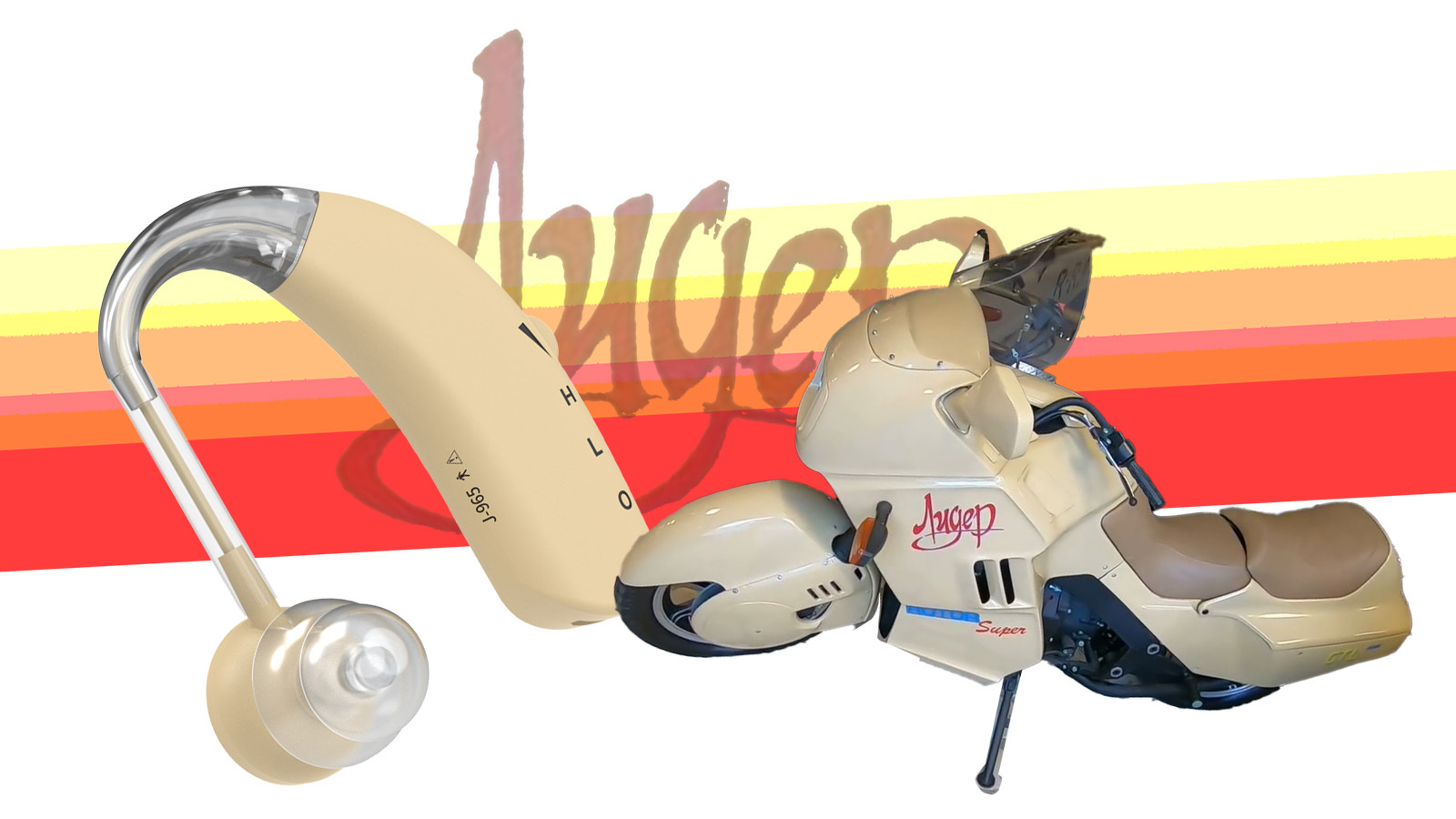
There was a time when the Wankel rotary engine was thought to be the future of internal combustion. The potential advantages of the Wankel were just so tantalizing that pretty much every major vehicle manufacturer put rotary engines in everything from transit buses to light aircraft. The Wankel also found its way into some wild motorcycles, most of which were failures. One lesser-known attempt at making a revolutionary rotary motorcycle is this, the IZh Lider. This motorcycle, the Soviet Union’s superbike, was nominally a steed for police, but it was also supposed to compete with bikes from Japan and Europe. The Lider fizzled out before it got the chance to shine.
Felix Wankel’s namesake engine once captivated engineers all around the world. He came up with the engine in 1919 when he was only a teenager. Then, Wankel developed his dream through multiple decades, including a stint at Germany’s Aeronautical Research Establishment during World War II. After the war, Wankel landed a position at NSU Motorenwork AG, and the first rotary engine prototype fired its spinning Dorito for the first time in 1957. Click here to read my previous coverage on the Wankel rotary.


NSU and Wankel generated a plethora of patents for their work, and they were quick to license the engine’s design out to anyone crazy enough to try to put it into a vehicle. NSU itself would use the rotary for the first production Wankel-powered car, the 1964 NSU Spider (below). In 1968, NSU also built the Ro 80, which was a bit of an engineering marvel.

The proposed benefits of the Wankel were simply too great to ignore. The rotary is a smaller and lighter engine with fewer moving parts, practically non-existent vibration, and incredible power-to-weight ratio potential. In theory, a rotary could have been more reliable than a piston engine while also meeting stringent emissions standards. If you were an engineer or a company in the 1960s and 1970s, the Wankel must have seemed so seductive that not getting a license to make your own version was probably seen as a form of malpractice.
As such, a frankly shocking number of companies each got their own license. A non-exhaustive list of companies that experimented with Wankel engines includes Alfa Romeo, IZh, AMC, General Motors, Norton, Datsun, Citroën, Rolls-Royce, John Deere, Daimler-Benz, KHD, Krupp, MAN, Mercedes-Benz, NSU, Honda, Kawasaki, AvtoVAZ, Ford, Ingersoll-Rand, Savkel, VEB, Midwest Engines, Outboard Marine Corporation, Mazda, Curtiss-Wright, and Yamaha.

In other words, most of the biggest players in transportation took a swing at rotaries for cars, trucks, motorcycles, torpedoes, boats, air-conditioners, and planes. Yet, the vast majority of these companies eventually came to the unfortunate conclusion that reality didn’t meet expectations with rotaries. One by one, these companies each discovered that their rotary engines weren’t as reliable as piston engines, guzzled more fuel than expected, and had worse emissions than desired. Even Mazda would reduce its rotary footprint to the point where, in the modern day, there have been times when it has had zero Wankel-powered vehicles in production.
As the list above shows, the Wankel even made it over to the Soviet Union. There, it wasn’t just seen as the potential engine of the future, but a power plant that could be used to show just how great Soviet engineering was. One of the Soviet Wankel projects was the IZh Lider and the Vega, a pair of sportbikes that represented the best the Soviets could do at the time.

The Soviets Get Wankel Power
As the Russian motorcycle museum Motorworld writes, the All-Union Research Institute of Motoprom (VNIIMotoprom) in Serpukhov was quick to pounce on Wankel’s invention. In 1961, the institute, which served as the hub of motorcycle and small engine development in the Soviet Union, built its first Wankel. The RD-250, as it was called, was a cast-iron, air-cooled engine that spun up to 6,000 RPM and made 8.5 HP. Researchers tried to get the engine to produce 17 HP at 9,000 RPM, but the team would encounter reliability issues with the rotary’s apex seals in addition to mechanical losses.
In 1964, the engineers had worked through the Wankel’s reliability issues to the point where they felt confident that the engine could work in a motorcycle. By 1970, VNIIMotoprom had a prototype 35 HP Wankel, the RD-350V, that was supposed to go into Kiev (KMZ) and Irbit (IMZ-Ural) sidecar motorcycles. As Motorworld says, road testing with the Wankel in a KMZ K-650 sidecar had found the engine’s performance to be sufficient, but VNIIMotoprom still hadn’t created a reliable Wankel. Check out this IMZ 7.151 rotary sidecar (click here if you cannot see the video):
Engineers were forced back to the drawing board. To be fair to them, reliability issues plagued the vast majority of Wankel projects in the 1960s and the 1970s. One of the problems was that, while the Wankel was a functional engine when it began being licensed out, a major fatal flaw hadn’t been worked out by Wankel or NSU. Mazda noted that damage to the inside of the Wankel’s combustion chamber was a rather huge headache to engineers back then:
The Wankel rotary engine is characterized by the unique triangular shape of its rotor. As the rotor turns at high speed, the apex seal, which is attached to each apex of the triangle to ensure air tightness, undergoes friction with the inside surface of the cocoon-shaped rotor housing. This process causes abnormal wear on the chrome plating finish within hours, leaving traces called “chatter marks,” which are also known as the Devil’s nail marks. Finding a way to avoid such damage was critical to the development of a practical rotary engine.

Many of the companies of the 1960s and the 1970s never really found a solution to apex seal failures. Those who had solutions, like Mazda and Suzuki, spent incredible resources improving the Wankel just to end up with an engine that was more reliable than before, but still finicky.
Over in Serpukhov, VNIIMotoprom’s engineers weren’t ready to give up. In 1972, they unveiled their latest Wankel prototype, the RD-500V. This engine was made out of aluminum, produced 40 HP at 6,000 RPM, and was road tested in a Dnepr MT-9 motorcycle.
Development Ramps Up
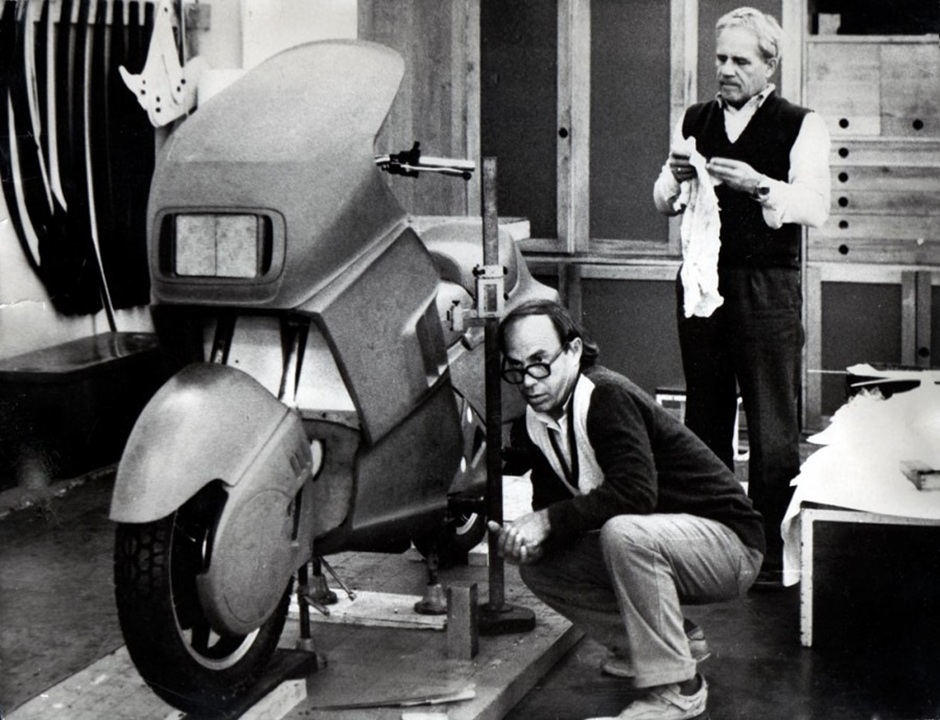
The improvements shown in the RD-500V would lead to the creation of the RD-501 in 1973, which had a nickel-plated housing, a sintered aluminum alloy rotor, and electronic ignition. Later that year, after watching much of the world toy around with Wankels, the Soviet Union decided to get serious, from Motorworld:
On November 23, 1973, during a global decline in interest in RPDs, an order was issued by the Minister of Automotive Industry of the USSR No. 228 of November 23, 1973 “On the development and acceleration of work on the creation of rotary piston engines for cars and motorcycles.” In March 1974, a group of specialists headed by Viktor Nikolayevich Polyakov (the first general director of the VAZ, later – deputy minister of the automobile industry of the USSR) went to Japan. They visited the Toyo Togyo, Noyota, Nissan, and other automobile complexes. This was followed by the order of V.N. Polyakov, April 18, 1974: “To create a special design bureau for rotary piston engines at the Volga association for the production of cars (without including the Volga Automobile Plant in the states).” It was from the empire of the Rising Sun that the “wankel” was brought to the VAZ.

Nikolai Maximovich Golovko, the head of the technical office of the Volzhsky plant workshop, recalls the Japanese business trip: “In Japan, they tried to show us as little as possible. Everything from afar, from some hanging galleries, was only in the most general terms. Polyakov was nervous because the business trip didn’t go well due to the lack of information. But even in these conditions, we tried to get as much information as we could, especially from visiting machine-tool and car factories. This was our first trip to Japan. We worked like crazy. We got up at six in the morning, went to bed at one or two at night, that if we didn’t need to prepare the notes or write theses at the request of Polyakov, in order to give them to all members of the delegation in the morning. We worked on a preliminary report even on an airplane during the 8-10 hours flight.“
The first head of the SKB RPD The head of the SKB RPD was Boris Sidorovich Pospelov. Under his leadership in 1976, the first Volga single-section VAZ-311 engine with a power of 65 hp was launched. Five years were spent on fine-tuning the design, after which an experimental batch of 50 VAZ-21018 units was released, which instantly dispersed among the VAZ workers. The motor turned out to be very unreliable. In just six months on 49 cars Wankel engines were replaced with conventional piston engines. After that, work on a single-section version of the RPD was completed, and the designers directed all efforts to the development of a two-section. A year later, VAZ-411 engines with a power of 110-120 hp appeared along with VAZ-413 with 140 hp. These machines did not go into retail sale – it was still a long way to the mass production of spare parts and opening of special service stations.
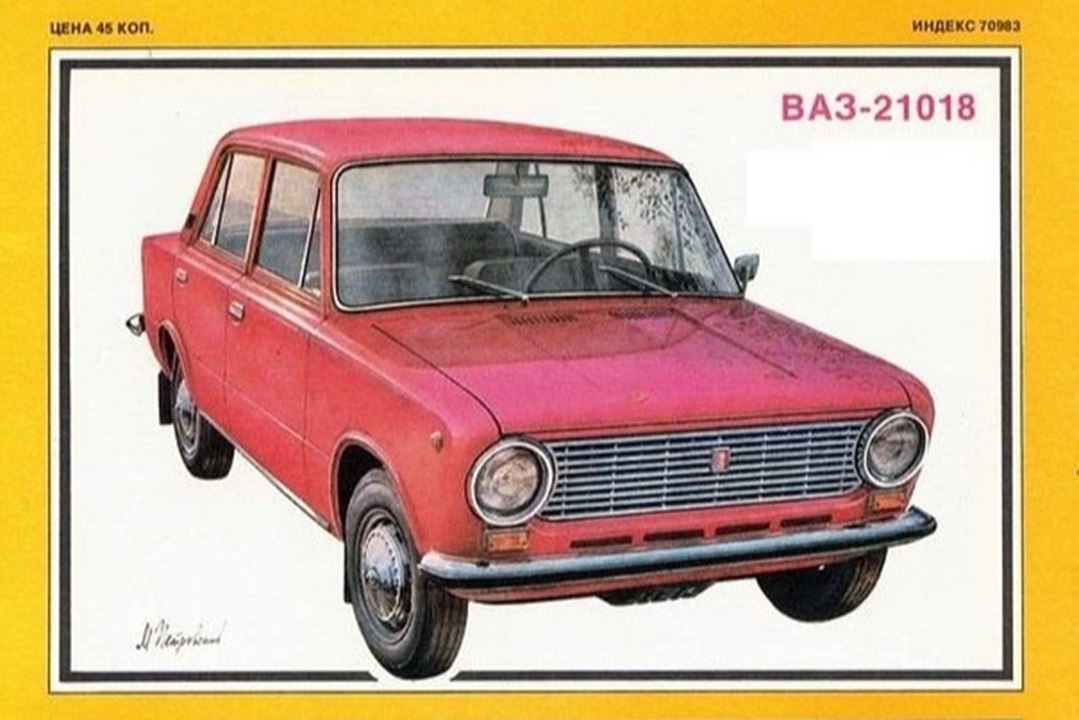
The VAZ-311 was the Soviet Union’s first production rotary engine, and in 1978, it was fitted into 50 VAZ-2101s (also known as the Lada 1200). The rotary version of the VAZ-2101 was called the 21018, and it’s frequently reported today that AvtoVAZ did not get a license from NSU, and instead reverse-engineered the rotary engine from an NSU Ro 80 or a Mazda RX-2. The AvtoVAZ engine had a single rotor and made between 65 HP and 71 HP, and the VAZ-21018s were slightly faster than piston-powered versions.
AvtoVAZ distributed the prototypes to the Soviet Union’s Ministry of Internal Affairs and the KGB. While the cars had acceptable performance, only one example out of the first batch of 50 Wankels lasted longer than six months. The average lifespan of the VAZ-311 was also around just 12,500 miles. Ultimately, the government would convert the cars back to piston power.

Undeterred, the engineers went back to the drawing board again. In 1982, they created the 110 HP to 120 HP twin-rotor VAZ-411 and the VAZ-413 with 140 HP. These were fitted to VAZ-21019s and, once again, were rolled out to police forces and the KGB as ‘dogonyalka’ interceptor vehicles. As Driven To Write notes, another 250 VAZ-21018s were also built and, amazingly, sold to the public.
As noted earlier, the USSR didn’t just demand the creation of rotary cars, but it wanted rotary motorcycles, too. In 1985, VNIIMotoprom built a twin-rotor, air-cooled RD-660 prototype motorcycle. In 1987, this design evolved into a water-cooled engine, leading to the RD-515, RD-517, and the Rotor V-500 prototype motorcycles. Reportedly, in developing its own Wankel motorcycle, AvtoVAZ imported a Suzuki RE-5 and then dissected it for reverse-engineering.
The Soviet Superbike

In the late 1980s, the Izhevsk Motorcycle Plant (IZh), which had been building motorcycles since 1929, stepped up to the plate to provide a fast rotary motorcycle for police forces and party motorcades. While the government wanted only a handful of bikes built for government use, according to local automotive publications, IZh’s engineers had greater ambitions. They wanted to build a motorcycle that could be exported outside of the Soviet Union and could run with the sportbikes other countries made.
Instead of creating its own engine, IZh teamed up with AvtoVAZ, which gave its RD-601 liquid-cooled twin-rotor engine to the project. The RD-601 had 613cc of displacement, 52 horsepower at 6,000 RPM, and 37.6 lb-ft of torque at 3,500 RPM.
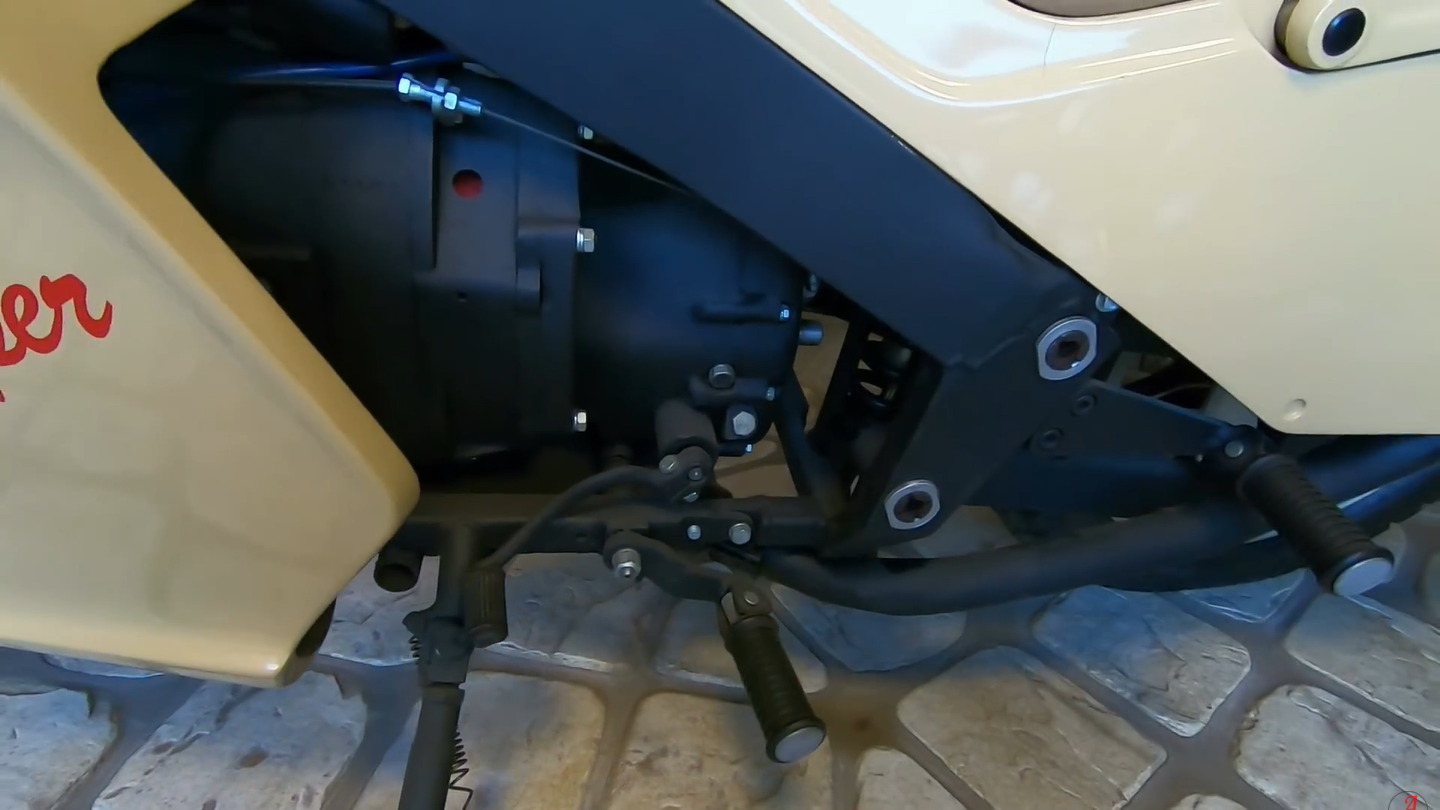
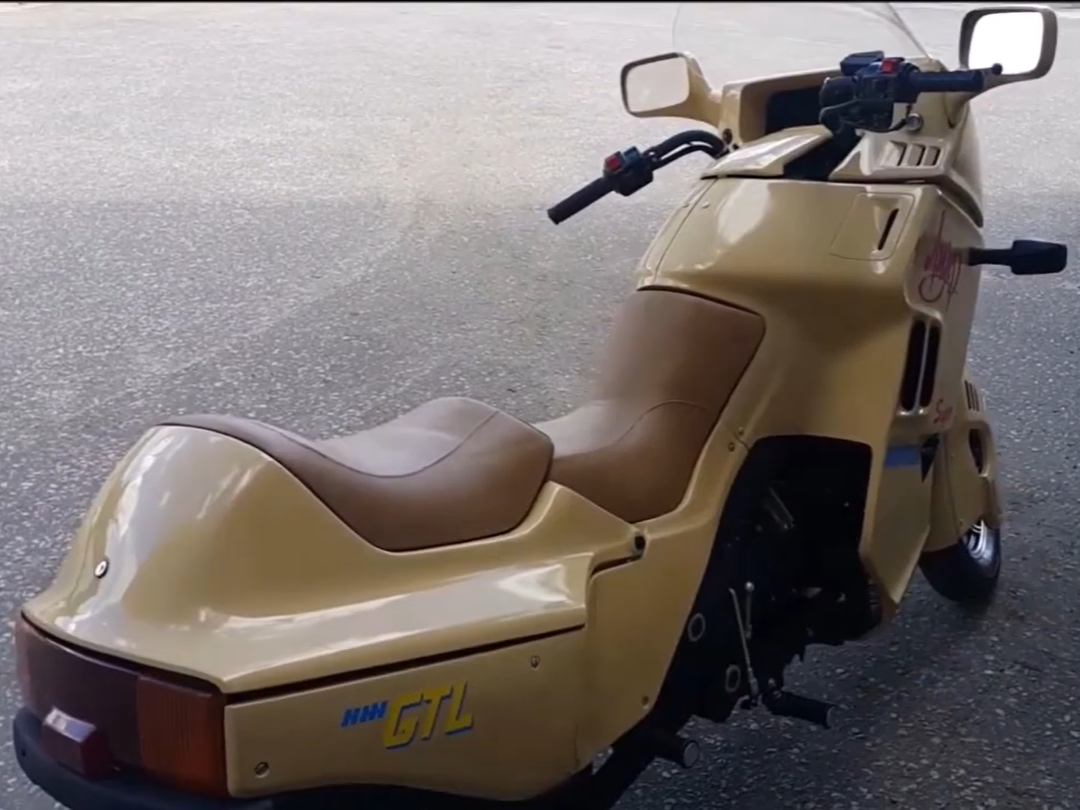
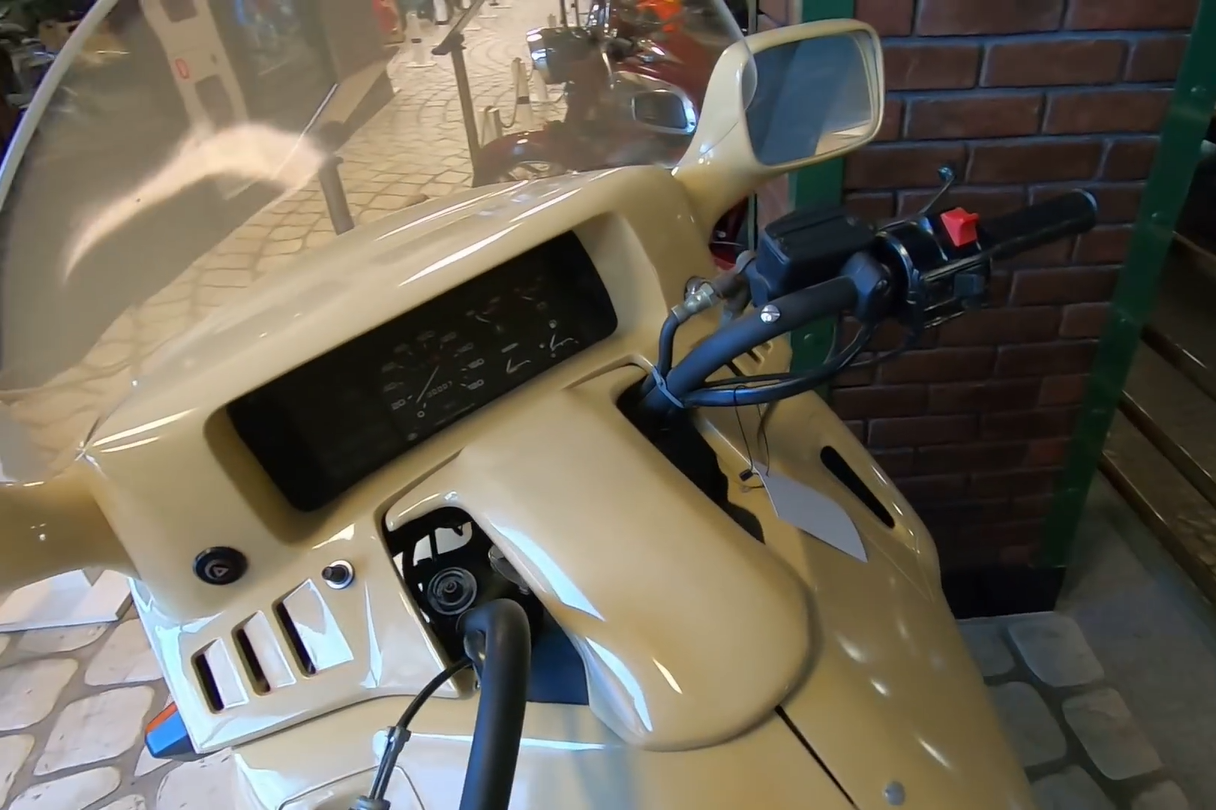
The bike this engine would go into was the IZh Lider (Leader), and engineers pulled out all the stops in trying to make it a competitive motorcycle. It featured disc brakes on both wheels, with the front wheel getting two rotors. Also big, at least according to period reports, was that those brakes were hydraulically actuated. Power even reached the rear wheel through a shaft drive, a departure from the usual chain drive. To cap off the design, IZh covered the Lider in extensive sportbike bodywork.
Weirdly, the color chosen for one prototype is best described as “hearing aid.”
While the Lider’s development was going on, IZh was also developing the Vega (below).
This bike was a bit more naked, a bit more aggressive, and a bit more powerful. This rotary bike sported a 736cc air-cooled twin-rotor Wankel with 87 HP on deck. Weirdly, while the Lider got disc brakes, the faster Vega had drum brakes on both wheels. It does seem that the Vega was never meant for export, and so it was built to the apparently lower standards of Soviet government use.

IZh would make a handful of escort motorcycle prototypes, and not all of them had rotaries. Some had Ural two-cylinder boxer engines, some had Dnepr four-cylinder flat engines, and there was an experimental V-engine.
Unfortunately, the apex of Soviet motorcycle design came at the wrong time.
It was now 1989, going into 1990, and the Soviet Union was already falling apart. The government considered moving forward with these motorcycles, but nothing came to fruition. The Soviet Union would finally end in 1992, and these motorcycles never reached production. IZh didn’t even make enough examples to put into testing with police forces. The Soviet Union’s first superbikes never got their chance to shine.
Technically, the rotary motorcycle wasn’t officially canceled, at least not at first.
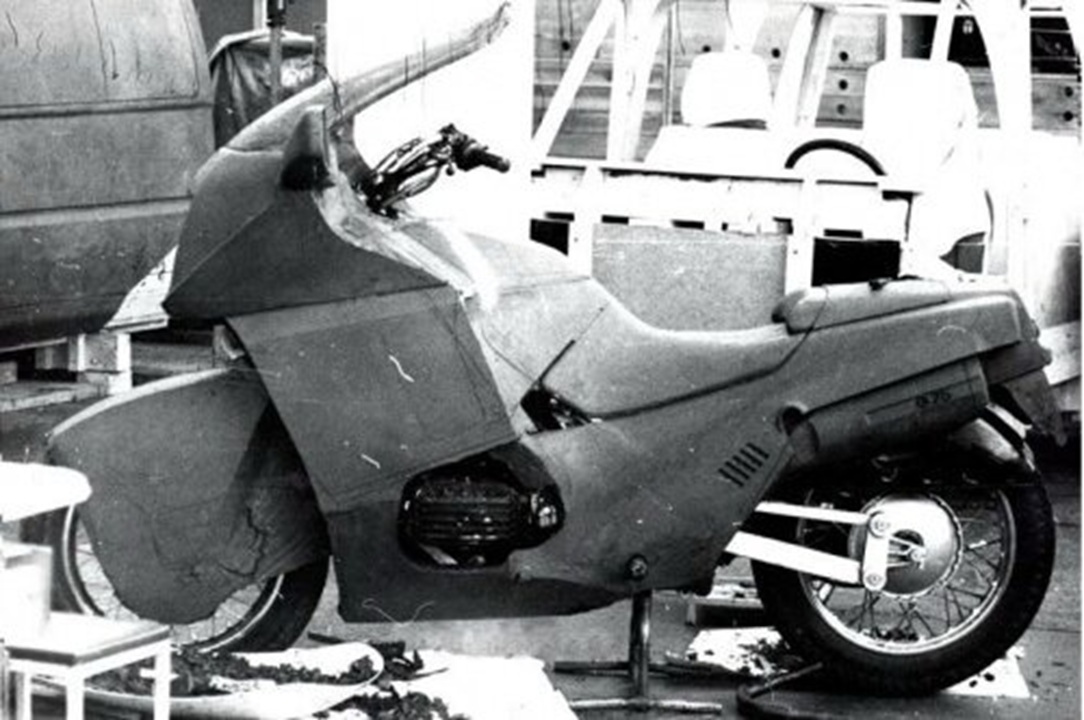
The design bureau behind the Soviet Union’s rotary effort would go on to develop rotary engines for light aircraft. In 2004, AvtoVAZ officially killed the rotary motorcycle project. Of the late-1980s IZh prototypes, two are believed to exist in presentable shape. Motorworld has a preserved Vega, while the Vadim Zadorozhny Museum of Technology has the Lider.
Here’s a video tour of the preserved Lider (click here if you don’t see it):
As for IZh, it also had a sad ending. The company managed to produce over 10 million motorcycles between 1926 and 1999. However, an increase in competition and a sharp decrease in demand led to a financial struggle. IZh closed its doors in April 2008.
While the Soviet rotary program didn’t end like most other attempts to make Wankel engines mainstream, it did suffer from the same pitfalls. Reportedly, the Soviet Wankels burned twice as much fuel as their piston counterparts, and they still weren’t very reliable. Then there was the idea that, maybe, the Lider could be exported to compete with Japanese and European sportbikes. Remember how I said that the Lider made 52 HP? Well, Japan of the late 1980s and early 1990s was already slinging 600cc motorcycles with practically twice the power. Had the Lider been exported elsewhere, it would have been slow by the standards of the 1990s.
I think it would be fair to say that the Soviet Union’s rotary motorcycle projects, much like everyone else’s rotary motorcycles, were a dead end. The promise of a high power-to-weight ratio came with too many caveats, and fewer moving parts didn’t translate to better reliability. Still, it’s hard not to love these crazy things. The world was once so obsessed with Wankels that even the Soviet Union couldn’t get enough of them. It’s a shame the IZh Lider never went into production, I bet a road test of one would have been wild to read.
Top graphic images: YouTube; Jijianle Technology



It seems like the highest calling for these Wankel engines would be deployment in kamikaze drones. They only need to last long enough to get to the target.
The Lider looks like a touring version of the Ducati Paso. The solid windshield is like a Paso, as is,the fully enclosed engine. On the other hand the brake fairing looks like a Gold Wing .
The rotary had promise but too many problems. Norton sold a bunch of Commander police bikes and won a TT with the F1, but sold more rotarys as target drone engines than bike engines.
This “IZh” a fantastic article!
Wait, did Honda steal the design for the Pacific Coast?
Looks aside, just had to say the Lidar goes hmmmmmm.
The bike in the topshot seems to be a glorious shade of ’90s PC Case Beige, and this makes me happy for some reason. Shame the engine wasn’t a 486cc unit.
That’s no hearing aid. I definitely saw some good-for-nothing rebel kids riding one nearly run over an old lady in the streets of Mos Eisley.
I think that in order to become an “old lady” in Mos Eisley, you’d have to be a fairly horrible person just to ensure your own survival. Those kids may have done a public service, or just opened up a power vacuum in the criminal underworld.
bravo on describing the color as “hearing aid.” I’d love to see it in a more flattering color–it’s a good looking bike full stop. Even more impressive to learn it was ordered up by the Politburo.
Also, to be fair, over in the West our computers were the same “color” so it wasn’t just a Soviet thing.
Good ol’ Pantone #453. Fortunately, that beige also happens to be the natural color of the injection molded plastics of the time, and carbon black is expensive, so in addition to being bland it’s also a frugal color.
Thank you–I didn’t know there was a technical reason and that makes a lot of sense.
Interesting geometry for a “sportbike”.
The Wankel rotary is so frustrating. It really seems like it should work and be awesome, but then you build one and it doesn’t.
I know people like that.
“Every other attempt has been unreliable and inefficient, but I bet we can make it work!”
I know, right?
I’ve actually fixed all the problems with the Wankel, and as soon as the CAD is done I’m going to publish it here (if DT signs it off).
That’s how confident I am in my idea: I’m giving it away for free!
But not yet. I want the concept to be workable enough for a solid article first.
Their benefits are outweighed by their drawbacks, but if you really like the driving experience, there’s simply nothing else. My only bother with my RX-8 (my second RX-8, and my fifth rotary overall) is the small fuel tank. I can deal with poor fuel economy, but combined with a small gas tank, and the range frankly sucks. The RX-7s had several more gallons of fuel capacity and easily would go well over 300 miles on a tank. With my RX-8, it’s more like EV range, 250 miles to the tank.
That said, I wonder how much of that is California’s shitty gas, because my first RX-8 on the East Coast seemed to get closer 300 miles per tank.
Although motorcycle production stopped in 2008, IZH was just a small part of the gigantic Izhmash conglomerate, which also builds military vehicles, commercial trucks, ships, drones, firearms, and also had an automotive assembly plant that operated as a secondary production facility for Moskvitch, before selling cars under their own IZH brand, then building Ladas, until the car factory was just sold outright to VAZ around 2010. Izmash has since changed their name to Kalashnikov Group, after their most famous/recognizable products, the AK-47 and AK-74 Kalashnikov rifles (in turn named for their designer, General Mikhail Kalashnikov, who worked with Izhmash)
Rabbit holes are so fun! Here I was a while ago reading about Soviet wankel-powered motorcycles, and a few clicks later I was somewhere else reading about Marxism-Leninism. Well, back to the funny bikes.
Fascinating, you sort of wonder who was it for. Export? I can’t imagine there was much call for a sports bike in the ussr that they were allowed to go down that path is almost a miracle in its self.
propaganda.
there were cars under the iron curtain that were built for export, so i imagine the same would be true for bikes.
Has to be the only real logical conclusion. Like those east German sports cars.
Neat find, as a full blown bike nerd I’m very surprised when I learn something new; nice one!
This looks heavily influenced by the K1.
Norton made a good looking rotary bike, I’d love to ride one some day.
That is peak 80’s style. Love it.
Let me get my Vuarnet sunglasses, neon fuzzy socks, and jeans that are waaaaaaaaaaaaay to tiight for this ride.
It looks like something Tetsuo or Kaneda would ride.
To me it brought up the memory of Bulma’s bike in Dragon Ball.
Nice looking bike. Too bad the kleptocrats took over and pillaged the country into an giant oil economy and nothing else.
seems like a good motorcycle engine, decent power to weight and motorcycles often see fewer miles per year than cars before needing rebuilt or replaced, even as far back as the 80’s.
What?
Great looking bike… too bad it turned out to be the Soviet version of the Honda Pacific Coast.
The PC800 was ahead of its time.